
Panama has officially introduced its first permanent residence pathway specifically designed for long-term international students. This new immigration category allows foreign students who have spent an extended period studying in the country to transition from temporary student status to permanent residency.
Until now, international students in Panama were restricted to renewable temporary residence permits linked strictly to their studies. The new policy changes this by formally recognising long-term academic residence and offering a structured route towards permanent settlement for eligible students.
What Is Panama’s New Permanent Residence Pathway for Students?
The new pathway is an immigration option created for international students who have legally studied in Panama for an extended period. It allows qualifying students to move from a temporary student residence permit to a provisional residence permit and eventually to permanent residency.
This marks the first time Panama has created a residency route directly connected to long-term student status. Previously, students could study in the country for many years without having any immigration pathway that acknowledged the length of their stay.
The policy is administered by Panama’s National Immigration Service and applies only to students who meet clearly defined eligibility criteria.
Who Can Apply for This Permanent Residence Pathway
Eligibility for the new permanent residence route is based primarily on the length and continuity of study in Panama.
To qualify, applicants must meet the following conditions:
The applicant must have studied in Panama for at least six consecutive years
The period of study must be continuous, without extended gaps that break legal residence
The applicant must have held valid temporary residence permits issued for educational purposes throughout the six-year period
Applicants must also provide official proof of their academic history and immigration status during the qualifying period.
For applicants who are minors, the application must be submitted by both parents, by one parent with the written consent of the other, or by a legal guardian in accordance with Panamanian family and immigration laws.
Recognised Educational Institutions
Only studies completed at recognised educational institutions in Panama are counted toward the six-year requirement.
These institutions typically include:
Universities and higher education institutions officially accredited in Panama
Recognised technical and professional training institutions
Other academic institutions approved by the relevant Panamanian authorities
Private or informal educational programmes that are not recognised by immigration authorities may not qualify toward the required study period.
Applicants are expected to present official documentation from their institution confirming enrolment and duration of study.
Required Documentation
Applicants under this student-based permanent residence category are required to submit several key documents.
These typically include:
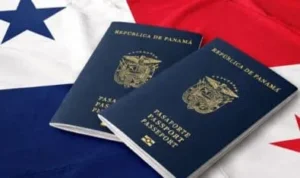
A valid passport with sufficient validity
Copies of previous temporary residence permits issued for educational purposes
Official certification from the educational institution confirming at least six consecutive years of study
Immigration records issued by the National Immigration Service showing continuous legal residence
Birth certificate or proof of legal guardianship for minor applicants
Police clearance certificates, where required
Medical or health certificates, depending on immigration requirements at the time of application
All documents must be submitted according to Panamanian immigration standards. This may include notarisation, legalisation or official translation into Spanish where applicable.
Application Structure and Process
The new permanent residence pathway follows a two-stage process.
Stage One: Provisional Residence Permit
Eligible applicants who meet all requirements are first granted a provisional residence permit valid for two years.
This provisional status allows the applicant to legally remain in Panama under a more stable residence category while immigration authorities continue to monitor compliance with national laws.
During this two-year period, applicants must maintain good legal standing and comply with all residency conditions.
Stage Two: Permanent Residence Application
After completing the two-year provisional residence period, applicants may apply for full permanent residence.
Approval at this stage is subject to continued compliance with immigration rules, absence of criminal records, and fulfilment of any additional requirements set by the authorities at the time of application.
Permanent residence grants long-term legal status in Panama and removes the need for periodic renewals associated with student or provisional permits.
What Happens After Permanent Residence Is Granted
Once permanent residence is approved, the individual is legally recognised as a permanent resident of Panama.
Permanent residents typically gain:
Long-term legal right to live in Panama
Greater stability compared to temporary permits
Eligibility for residency cards and documentation issued to permanent residents
Work rights and additional benefits are governed by Panamanian labour and immigration laws and may depend on the specific residency category and applicable regulations at the time.
How This Policy Affects Current International Students
This new pathway directly affects international students who have already spent many years studying in Panama without a long-term immigration option.
For such students, the policy provides:
Legal recognition of long-term academic residence
A defined route from temporary status to permanent residency
Reduced uncertainty regarding immigration status after completing studies
It also changes the outlook for students who plan long-term academic programmes in Panama, as extended study can now lead to a potential settlement pathway.
Impact on Prospective International Students
For prospective students considering Panama as a study destination, this policy introduces a new factor in long-term planning.
Students enrolling in programmes that span several years may now see Panama as a country where long-term academic commitment can translate into immigration stability, provided all legal requirements are met.
However, the pathway is not automatic. It applies only after six consecutive years of legal study and successful completion of the required immigration process.
Comparison With Other Panama Residency Options
Panama continues to offer other permanent and provisional residency options that are separate from the student pathway.
These include:
Investment-based residency options
Employment-based residency permits
Residency options linked to specific nationalities under bilateral agreements
The student-based pathway does not replace these options. Instead, it exists alongside them as a distinct category designed specifically for long-term students.
Applicants are assessed only under the criteria of the pathway they apply for.
Important Limitations to Note
There are important limitations associated with this new policy:
It applies only to students with six consecutive years of study
Gaps in legal residence may affect eligibility
Approval is not guaranteed and remains subject to immigration discretion
Applicants must meet all documentation and compliance requirements
Students who studied in Panama for shorter periods do not qualify under this category and must explore other immigration options if they wish to remain in the country.
Pro Tip
Applicants should begin preparing early by collecting academic transcripts, residence permits, and official letters that clearly show continuous study and legal stay. Immigration authorities focus heavily on documentation consistency, so organising records in chronological order can reduce delays during processing.
Panama’s introduction of a permanent residence pathway for long-term international students represents a significant shift in its immigration framework. It formally acknowledges extended academic residence and provides a structured route toward permanent settlement for eligible students.
International students who have studied in Panama for six consecutive years should review their immigration history and documentation carefully to determine eligibility. If you believe you qualify under this new pathway, consult a licensed immigration professional and begin preparing your application documents early to avoid delays.
